
New Year, New Treat Time Rituals: New Year's Resolutions for Your Dog's Wellbeing

Every January, millions of people commit to healthier eating, more exercise, and better self-care routines. But what if this year, you included your furry friend in those wellness goals? Your little companion deserves the same thoughtful approach to health and happiness that you're planning for yourself.
You see, while we're busy mapping out gym schedules and meal prep plans, our dogs are often left with the same old routine. Yet they thrive on structure, crave mental stimulation, and benefit enormously from intentional wellness practices. This year, let's change that by creating meaningful New Year's resolutions centered around your dog's wellbeing: starting with something they absolutely love: treat time.
Why Treat Time Rituals Matter More Than You Think
Treats aren't just rewards: they're opportunities for connection, mental enrichment, and nutritional support all rolled into one delicious moment. When you transform random treat-giving into purposeful rituals, you're creating structured touchpoints throughout your dog's day that support their physical and emotional health.
Did you know that dogs with consistent daily routines show lower stress levels and better overall behavior? Your little partner feels more secure when they can anticipate positive experiences, and treat time rituals provide exactly that kind of comforting predictability.
But here's where many pet parents miss the mark: they focus solely on the treat itself rather than the entire experience. The ritual encompasses everything from the quality of ingredients to the timing, the interaction, and even the mental challenge involved in receiving the reward.
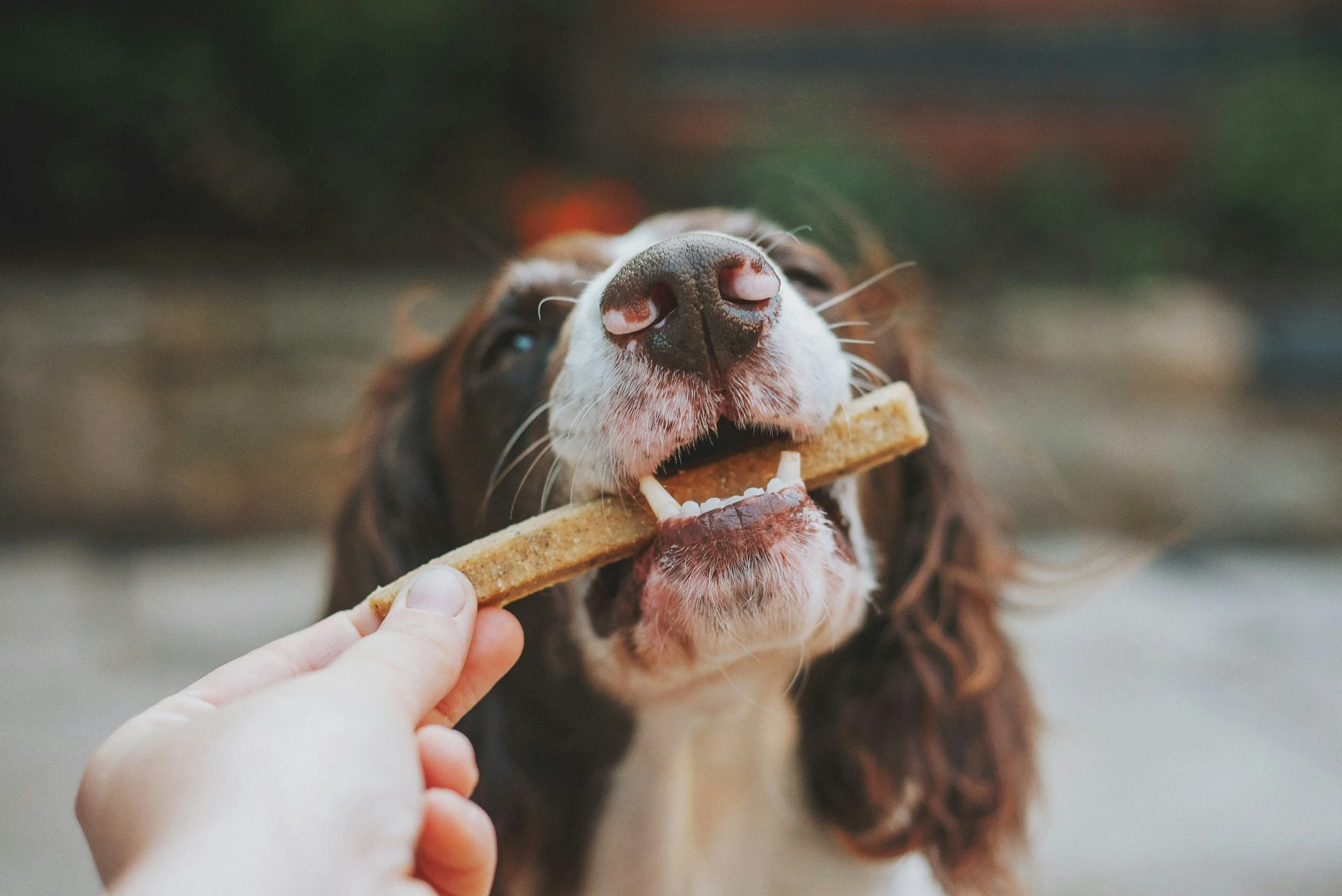
Resolution #1: Upgrade Your Treat Quality Standards
Your first resolution should be examining what's actually in those treats you're offering daily. If you're reading ingredient lists that sound like chemistry experiments, it's time for an upgrade. Just as you might resolve to eat more whole foods yourself, your furry friend deserves ingredients they can actually process and benefit from.
Human-grade treats made with real, recognizable ingredients provide superior nutrition compared to conventional options filled with artificial preservatives and mysterious meat by-products. When you choose treats made with organic fruits, vegetables, and wholesome proteins, you're not just satisfying your dog's taste buds: you're contributing to their long-term health.
Plant-based options have gained popularity among health-conscious pet parents, offering excellent nutrition without common allergens. These treats can be particularly beneficial for dogs with sensitive stomachs or food allergies, providing clean energy and digestive support. A plant-based, human-grade treat from brands like Koko’s Kitchen provides superior nutrition and peace of mind for pet parents who prioritize wellness and ingredient transparency.
Remember, the goal isn't perfection: it's progress. Start by replacing one type of treat with a higher-quality alternative, then gradually upgrade your entire treat collection throughout the year.

Resolution #2: Create Mindful Treat Time Moments
Instead of absentmindedly tossing treats while scrolling your phone, resolve to make treat time a mindful bonding experience. This means putting down distractions and focusing entirely on your interaction with your young furry partner.
Mindful treat time involves eye contact, gentle verbal praise, and allowing your dog to fully enjoy the experience without rushing to the next activity. These moments of focused attention strengthen your bond while providing your dog with the social connection they crave.
Consider incorporating brief training exercises or tricks before treat delivery. This mental stimulation satisfies your dog's need for cognitive challenges while making the reward more meaningful. Even simple commands like "sit" or "stay" turn treat time into an enrichment activity.
You can also vary the delivery method to keep things interesting. Sometimes offer treats from your hand, other times use puzzle feeders or hide them around the house for a fun scavenger hunt. This variety prevents boredom and engages different aspects of your dog's natural instincts.

Resolution #3: Establish Consistent Treat Time Routines
Dogs thrive on predictability, so establishing consistent treat time routines provides structure while supporting their emotional wellbeing. This doesn't mean rigid timing: it means creating reliable patterns your dog can anticipate and look forward to.
Consider designating specific treat times throughout the day: a morning wellness treat with breakfast, an afternoon enrichment session, and an evening wind-down treat before bed. These scheduled moments become anchors in your dog's day, providing comfort and stability.
You might establish different types of treats for different occasions. Morning treats could focus on energy and nutrition, afternoon treats might emphasize mental stimulation through puzzle delivery, and evening treats could promote calm relaxation.
The key is consistency in approach rather than exact timing. Your dog should learn to associate certain activities or times of day with positive treat experiences, creating a rhythm that supports their overall wellbeing.
Resolution #4: Use Treats as Wellness Tools
This year, resolve to think of treats as functional wellness tools rather than just indulgences. Different treats can support various aspects of your dog's health, from dental care to digestive support to immune system strength.
Harder treats and chews support dental health by helping remove plaque buildup and providing beneficial jaw exercise. Softer treats work well for training and quick rewards, while frozen or cooling treats offer relief during hot weather or provide mental stimulation.
Look for treats that contain beneficial ingredients like probiotics for digestive health, omega fatty acids for coat and skin support, or antioxidant-rich fruits and vegetables for immune system benefits. When treats serve multiple purposes, you're maximizing their value in your dog's wellness routine.
Consider rotating different types of treats to provide varied nutritional benefits while preventing boredom. Just as you might alternate between different healthy snacks for yourself, your dog benefits from variety in their treat selection.
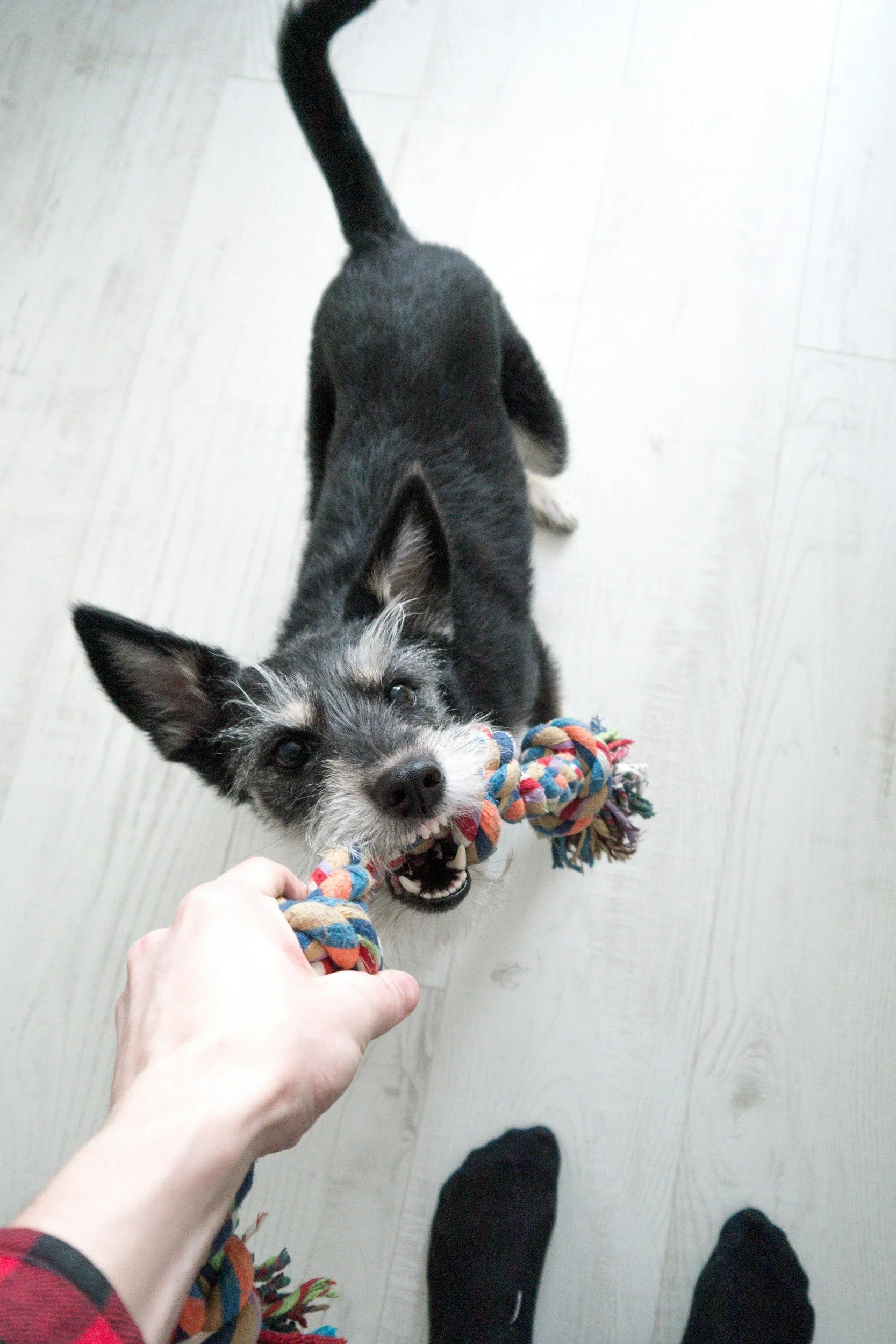
Resolution #5: Build Mental Enrichment Into Treat Time
Mental stimulation is just as important as physical exercise for your dog's overall wellbeing. This year, resolve to make treat time cognitively engaging through various enrichment activities.
Puzzle feeders, snuffle mats, and treat-dispensing toys transform simple snacking into problem-solving challenges. These activities satisfy your dog's natural foraging instincts while providing mental exercise that can be particularly valuable during colder months when outdoor activity might be limited.
You can create DIY enrichment activities by hiding treats in cardboard boxes, wrapping them in towels, or freezing them in ice cube trays with water or low-sodium broth. These activities extend treat time while providing valuable mental stimulation.
Training new tricks specifically for treat rewards adds another layer of cognitive engagement. Teaching your dog to "find it," "go to place," or perform more complex commands makes treat earning an active, engaging process.

Creating Your Dog's Wellness Action Plan
Now that you understand the components of meaningful treat time rituals, it's time to create your specific action plan. Start by assessing your current treat routine and identifying areas for improvement.
Week one might focus on upgrading treat quality: research brands that align with your values and your dog's dietary needs. Week two could introduce mindful treat time practices, while week three establishes consistent daily routines.
Document your dog's responses to different changes. Some dogs adapt quickly to new routines, while others need more gradual transitions. Pay attention to their energy levels, behavior changes, and overall enthusiasm for their new treat experiences.
Remember that wellness is a journey, not a destination. Your dog's needs may change throughout the year based on age, health status, activity level, and seasonal factors. Stay flexible and adjust your approach as needed while maintaining the core principles of quality, consistency, and mindfulness.

The Ripple Effect of Intentional Pet Care
When you commit to improving your dog's treat time rituals, you're creating positive changes that extend far beyond those few minutes of snacking. Better nutrition supports overall health, consistent routines reduce anxiety, and increased mental stimulation leads to better behavior and stronger bonding.
Your little companion will likely show increased enthusiasm for training, better focus during interactions, and improved overall mood. These changes make your relationship more enjoyable while supporting your dog's long-term health and happiness.
This year, instead of making resolutions that leave your furry friend on the sidelines, include them in your commitment to better health and wellness. Start with treat time rituals, but don't be surprised when this mindful approach spreads to other aspects of your pet care routine.
Your dog gives you unconditional love and loyalty every single day. This year, resolve to return that devotion with intentional, thoughtful care that supports their wellbeing from their first morning treat to their last evening snack. After all, they deserve nothing less than the very best you can offer.
